This Black History Month, consider traveling not just to see new places, but to reflect. Across the United States, museums and historic communities preserve stories of resilience and hope.
America’s Black Holocaust Museum
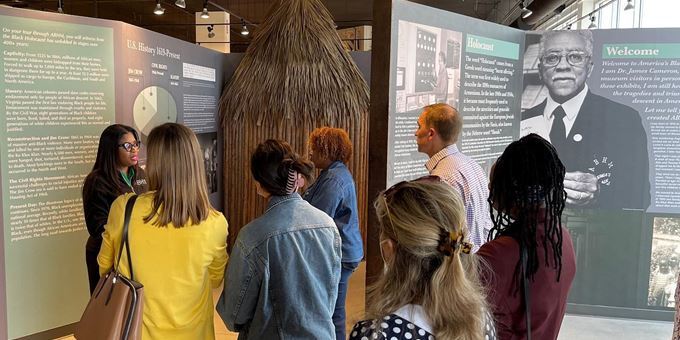
Located in Milwaukee’s historic Bronzeville neighborhood, America’s Black Holocaust Museum (ABHM) offers a sobering and necessary journeys through American history. Situated on the ground floor of the new Griot Building, the museum’s galleries guide visitors chronologically through the Black Holocaust, beginning in 1619 and continuing to the present day.
Originally founded in 1984, the museum is both a memorial and a call to action. Thanks to renewed funding from community leaders and organizations, ABHM has been revitalized in recent years with powerful new exhibits, including a re-created slave ship that had been in storage for over a decade.
Its location adds even more significance. The Bronzeville neighborhood, long a center of African American culture in Milwaukee, was recognized on The New York Times’ “52 Places for a Changed World” list in 2022. Visiting ABHM is an immersion into a living, evolving community shaped by history and activism.
International African American Museum: The Gullah Geechee Gallery
The Gullah Geechee Gallery at Charleston, SC’s International African American Museum offers an immersive look into one of the most distinctive African American cultures in the United States. The Gullah Geechee people are descendants of West and Central Africans who were enslaved and brought to South Carolina’s Lowcountry to work on rice, indigo, and Sea Island cotton plantations.
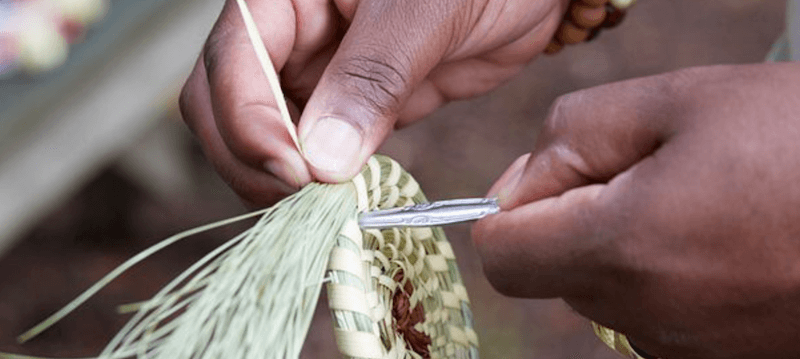
For more than 200 years, their culture has endured, preserving African traditions in foodways, crafts, spiritual practices, and language. Gullah, a Creole language spoken nowhere else in the world, is a testament to that resilience.
Inside the gallery, you’ll encounter a life-size bateau, a meticulously recreated praise house, and rich multimedia experiences designed to illuminate what it means to be Gullah Geechee. The gallery brings cultural identity to life, honoring a community whose influence still shapes the Lowcountry today.
Roberts Settlement
Just 30 miles north of Indianapolis in Hamilton County lies Roberts Settlement, a quiet but powerful historic site founded in 1835 by free Black families of mixed racial heritage. Migrating primarily from North Carolina and Virginia, these settlers sought refuge from worsening racial conditions in the South and pursued economic independence, education, and religious freedom.
What began as a bold experiment in self-determination grew into a thriving community throughout the mid-1800s. Today, you can explore the settlement’s chapel and cemetery, set among gently rolling landscapes that echo the perseverance of those who built lives there against tremendous odds.
Roberts Settlement offers a rare glimpse into early Black freedom communities in the Midwest, places that are often overlooked but foundational to American history.
Bahama Village
Tucked into downtown Key West, Bahama Village is a living time capsule of Afro-Bahamian history and culture. During the 1800s, hundreds of free Black Bahamians settled here alongside white Bahamian (English) settlers, building homes, churches, businesses, and community centers that still define the neighborhood today.
Originally part of Key West’s first platted area, Bahama Village reflects a distinct blend of Caribbean and African American traditions. Walking its streets, you’ll find vibrant architecture, cultural landmarks, and a strong sense of community pride.
It’s an ideal stop for travelers looking to experience Bahamian-influenced food, music, and heritage while learning about a lesser-known chapter of Black migration and freedom in the United States.
Great Plains Black History Museum
Omaha’s Great Plains Black History Museum (GPBHM) is Nebraska’s only museum dedicated exclusively to African American history, with a mission to “preserve, celebrate, and educate all people about the contributions and achievements of African Americans throughout the Great Plains.”
One of its most impactful features is the Hate & Hope permanent exhibit. The “Hate” portion confronts the painful history of lynchings and racial violence across the Great Plains, while the “Hope” section highlights innovation and achievement. Visitors learn about Mrs. Bertha Calloway, the museum’s founder, as well as milestones like the first African American film company and other remarkable accomplishments.
By holding space for both tragedy and triumph, GPBHM offers a balanced, honest exploration of Black history in a region often excluded from the national narrative.
Whichever way you celebrate Black History Month in 2026, these destinations remind us that Black history is woven into the fabric of the entire country. Visiting these museums and historic communities honors the past, supports cultural preservation, and deepens our understanding of the present.